

I challenge each of you to read through the US Declaration of Independence this Saturday. If not then, sometime soon before the summer leaves us and school begins. In Philadelphia, 250 years ago, our founding fathers decided to take the ultimate risk and chose to stand together against the British Empire to start a new country. There are three main parts of the short document. First, a Preamble which gave a vision of the freedoms and life citizens of this newly-declared country might achieve. Next is the List of Grievances. These state the legal case of how the Colonies truly tried to live within British law and how they were ignored and persecuted by the Crown. Finally, the strongest statement of the entire document, the Resolution of Independence. Ripping ourselves from the Crown, we declared that we are a new country. Its final sentence lays down the ultimate risk/reward: And for the support of this Declaration, with a firm reliance on the protection of divine Providence, we mutually pledge to each other our Lives, our Fortunes and our sacred Honor. (JC Kundert)
Nations come into being in many ways. Military rebellion, civil strife, acts of heroism, acts of treachery, a thousand greater and lesser clashes between defenders of the old order and supporters of the new–all these occurrences and more have marked the emergences of new nations, large and small. The birth of our own nation included them all. That birth was unique, not only in the immensity of its later impact on the course of world history and the growth of democracy, but also because so many of the threads in our national history run back through time to come together in one place, in one time, and in one document: the Declaration of Independence. (from US National Archives: https://www.archives.gov/founding-docs/declaration-history)
The Declaration of Independence was designed for multiple audiences: the King, the colonists, and the world. It was also designed to multitask. Its goals were to rally the troops, win foreign allies, and to announce the creation of a new country. The introductory sentence states the Declaration’s main purpose, to explain the colonists’ right to revolution. In other words, “to declare the causes which impel them to the separation.” Congress had to prove the legitimacy of its cause. It had just defied the most powerful nation on Earth. It needed to motivate foreign allies to join the fight. https://www.archives.gov/founding-docs/declaration/what-does-it-say
Preamble
These are the lines contemporary Americans know best: “We hold these truths to be self-evident, that all men are created equal, that they are endowed by their Creator with certain unalienable rights, that among these are Life, Liberty and the Pursuit of happiness.” These stirring words were designed to convince Americans to put their lives on the line for the cause. Separation from the mother country threatened their sense of security, economic stability, and identity. The preamble sought to inspire and unite them through the vision of a better life. https://www.archives.gov/founding-docs/declaration/what-does-it-say
List of Grievances
The list of 27 complaints against King George III constitute the proof of the right to rebellion. Congress cast “the causes which impel them to separation” in universal terms for an international audience. Join our fight, reads the subtext, and you join humankind’s fight against tyranny. https://www.archives.gov/founding-docs/declaration/what-does-it-say
Resolution of Independence
The most important and dramatic statement comes near the end: “That these United Colonies are, and of Right ought to be Free and Independent States.” It declares a complete break with Britain and its King and claims the powers of an independent country. https://www.archives.gov/founding-docs/declaration/what-does-it-say
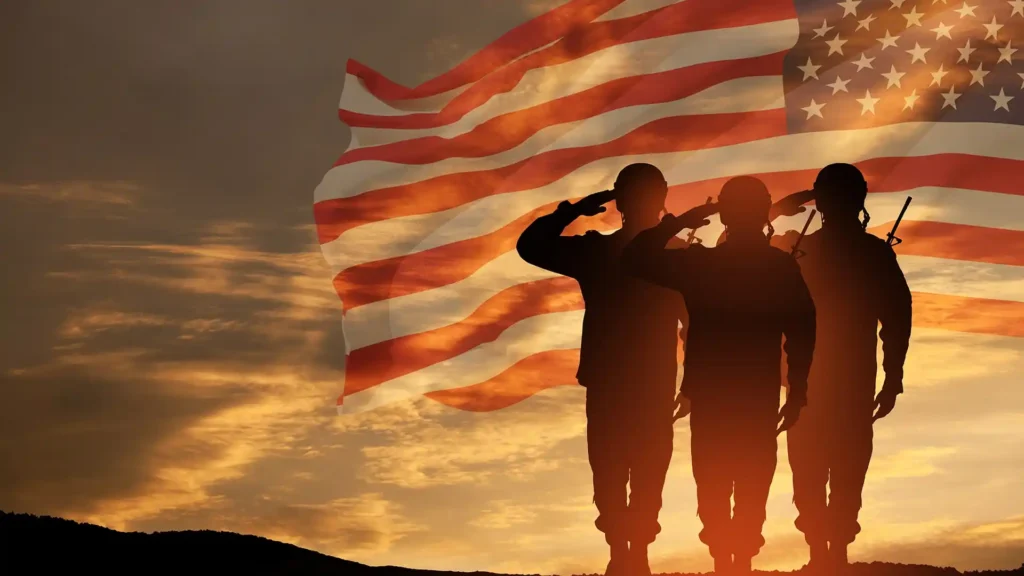
This is the true reason for our National Holiday on July 4th each year. Honor our Flag, your fellow countrymen, your family, and your God on Independence Day. This may not be the perfect country. It has many flaws. It is also the absolute best on the globe. (JC Kundert)